



The health and wellness sector in Southeast Asia is experiencing rapid growth, yet the market remains unpredictable and fragmented. Consumer preferences differ greatly between countries, platform dynamics change frequently, and cross-border sellers often set inconsistent price floors. These factors complicate both portfolio planning and margin protection, even for well-established brands.
This article draws on sales data from TMO’s Market Insider to explore the key signals that are shaping Southeast Asia’s health and wellness market today. It examines several important trends, including the shifting dynamics of ingredient demand, product positioning, pricing patterns, and competitive density—insights that can help global brands assess market potential and risks more accurately.
Understanding Southeast Asia’s Health Market
To effectively navigate Southeast Asia’s evolving health categories, it is essential to break down the market into three interconnected dimensions: price tier, distribution channel, and brand narrative. These three elements are fundamental in determining how consumers perceive value and whether a brand competes on price or aims to establish a premium position. Understanding their interrelationships is crucial for identifying both opportunities and risks in different markets.
Price Tier and Value Perception
Price tiers in Southeast Asia do not follow a uniform trend. Some markets feature a clear preference for premium, science-backed, or beauty-oriented products, while others lean toward mid-range offerings that offer a balance of perceived effectiveness and affordability. Recognizing these distinctions helps explain why products with similar positioning can perform differently in different markets.
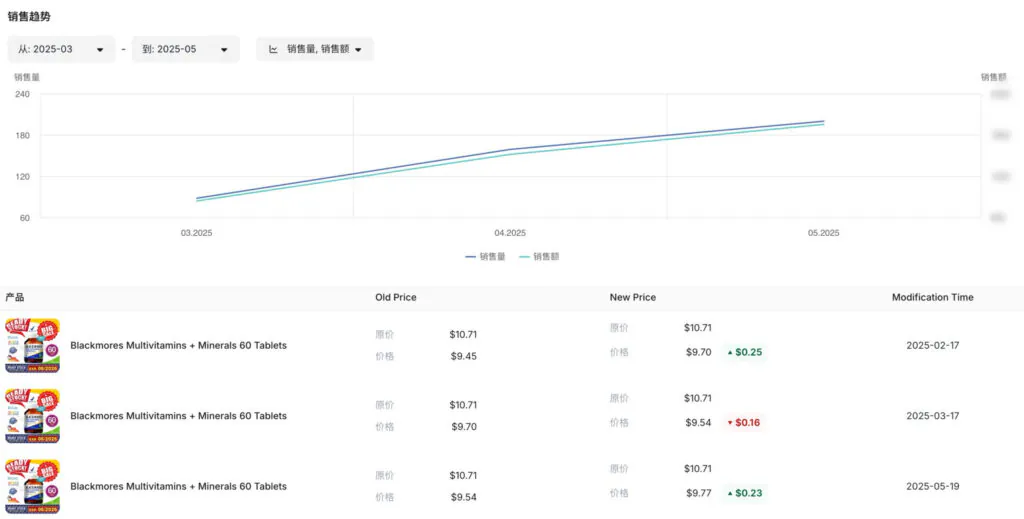
- The shift in categories moving from premium to commoditized
- Gaining market share with premium products like powders, oils, and beauty supplements
- The impact of cross-border sellers driving down price floors
Channel Influence and Consumer Behavior
The distribution channel plays a key role in shaping consumer perception and pricing strategies. The dynamics of marketplace-driven demand vary greatly compared to direct-to-consumer (DTC) or retail-driven demand, and each country in Southeast Asia has its own channel bias. Over time, the channel influences compound and become crucial in understanding long-term category trends.
- The types of products that succeed on high-volume platforms
- Where premium products see better conversion rates
- How platform incentives can influence product popularity
For example, in the Philippines, beauty and skin-brightening products such as glutathione supplements are particularly popular, while in Malaysia and Singapore, consumers tend to gravitate toward chronic disease prevention products like Omega-3 and CoQ10. These variations reflect the different health priorities and consumer expectations in each market.
Brand Narrative and Cultural Perception
In Southeast Asia, consumers’ preferences are shaped not only by the functional benefits of products but also by the cultural narratives associated with them. These narratives are influenced by lifestyle contexts, cultural values, and the language used by consumers to express their needs. For example:
- Indonesia: Traditional herbal remedies like jamu resonate strongly with consumers, even when modern supplements are available.
- Philippines vs. Singapore: While Philippine consumers often focus on beauty and skin-brightening, Singaporeans tend to prioritize stress management, cardiovascular health, and overall wellness, reflecting their distinct urban lifestyles.
For example, Blackmores in Singapore successfully adapted its narrative by positioning its sleep-support products in line with local health needs, such as stress relief and sleep management. This approach differs from markets where beauty or immunity are the main drivers for supplement sales. Tracking these narratives helps brands understand:
- Which ingredient stories sustain consumer demand
- Which health claims resonate in specific countries
- How new product formulations gain or lose popularity

Adapting Strategies: Moving from Defensive to Value Creation
Data from Southeast Asian marketplaces reveals that health brands are not confined to fixed price tiers or static consumer segments. Over time, several upward trends become apparent, contradicting the assumption that Southeast Asia is an inherently price-sensitive region. These shifts present clear opportunities for brands that are agile enough to respond to these evolving market dynamics.
Price Tier Upgrading Potential
Long-term data suggests that categories traditionally dominated by low-tier products can gradually move up the price ladder as consumers gain a deeper understanding of the benefits offered by higher-tier products. This trend is particularly evident in categories like collagen supplements and immunity-boosting products.
- Collagen supplements: In Vietnam, products that initially entered the market at low price points have gradually shifted toward mid-tier pricing as consumers have become more knowledgeable about the benefits of collagen.
- Gut health products: Products once focused on gut health, especially for children, are now expanding to include broader immunity and wellness benefits, paving the way for higher-tier products.
Country and Channel Differences
Market data reveals significant differences between countries and platforms, particularly in terms of price sensitivity, promotional responsiveness, and consumer willingness to pay. For example:
- Which countries are more responsive to discounts
- Which platforms see higher sales of premium products
- Where product bundles, convenience formats, or trial-size SKUs are gaining traction
Narrative-Driven Value Creation
Data shows that cultural cues and storytelling can create pricing power that goes beyond functional claims alone. For instance, Thailand’s Takabb Anti-Cough Pill transitioned from being a remedy for older consumers to becoming popular among younger consumers. This shift was not driven by changes in formulation but by cultural storytelling and lifestyle trends.
Steps for Adjusting Product Strategy
| Step | Objective | Focus |
|---|---|---|
| 1. Build the Monitoring Layer | Establish visibility across markets and platforms | Price tiers, platform mix, narrative patterns |
| 2. Identify Trend Signals | Detect early signs of demand shifts | Search volume, review themes, performance gaps |
| 3. Test in High-Potential Markets | Validate willingness to pay and positioning | Premium SKUs, bundles, adjusted messaging |
| 4. Scale Across Countries | Transfer successful tactics into new markets | Pricing strategy, packaging, seasonal formats |
Turning Fragmented Signals into Actionable Insights
Southeast Asia’s health market presents substantial growth opportunities, but its complexity requires a comprehensive approach to understanding its diverse market dynamics. By consistently tracking key signals across price tiers, channels, and consumer narratives, brands can identify true opportunities and navigate this rapidly evolving market with greater precision.
Tagged with :